
Socotra, often called the “Galápagos of the Indian Ocean,” is one of the world’s most remote and breathtaking islands. Known for its surreal Dragon Blood Trees, pristine beaches, and untouched biodiversity, this UNESCO-listed island attracts adventure seekers, nature lovers, and cultural explorers alike. But one question arises for every traveler: “How do I get flights to Socotra?”
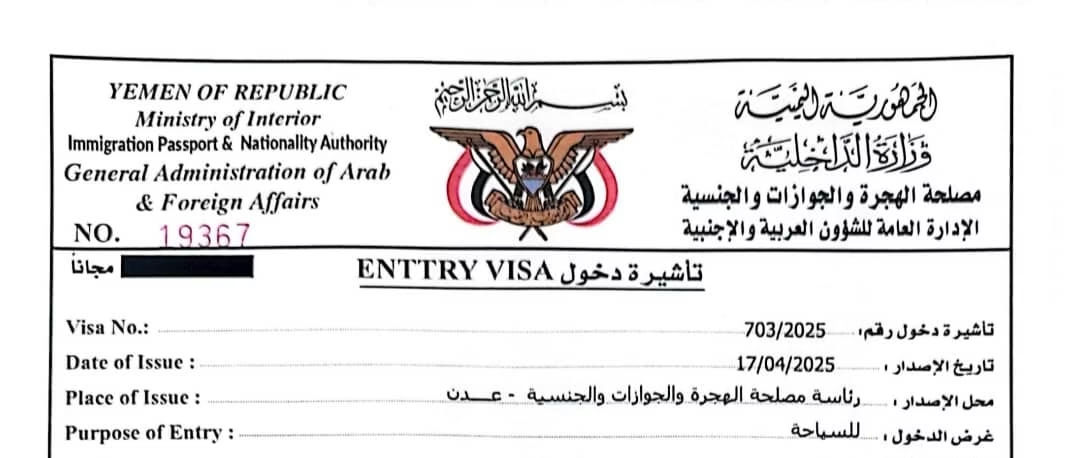
In this guide, we will discuss the best flight routes to Socotra from Jeddah, including schedules, ticketing, visa procedures, and how to combine flights with Socotra tours for an incredible adventure.
Whether you’re planning a short escape like a 5-day Socotra tour or an in-depth expedition such as the 7-day island experience, this guide will help you plan your trip seamlessly.
Why Socotra Is Worth the Journey
Before we dive into flight routes, it’s important to understand why people go through the effort of reaching this remote island.
- Unique Biodiversity: Over one-third of the plants on Socotra are found nowhere else on Earth.
- Pristine Beaches: From the turquoise waters of Qalansiya to the white sands of Shoab Beach.
- Adventure Activities: Hiking, trekking tours, and cave explorations.
- Cultural Encounters: Learn about the traditions of the Socotri people.
- Off-the-Beaten-Path Travel: Truly one of the last untouched paradises.
To experience this, air travel is the only practical way, as there are no regular sea passenger services to Socotra.
Overview: How to Fly to Socotra
Currently, flights to Socotra are limited and operate mainly through three regional hubs:
- Jeddah – Popular for international travelers.
- Cairo (Egypt) – A stable hub with weekly connections.
Flights are typically operated by Yemenia Airways (Yemen’s national carrier), with a few seasonal charters.
Pro Tip: Flights to Socotra are seasonal and limited, so booking through a specialized operator like Easy Yemen Tours ensures guaranteed tickets along with visa and tour support.
Flights to Socotra from Jeddah
Dubai is one of the easiest hubs for international travelers heading to Socotra because of its excellent global connectivity.
1. Why Choose Saudi as Your Departure City?
- Direct international flights from Europe, the US, and Asia.
- Easy layover for Socotra-bound travelers.
- Tourist-friendly stopover options before heading to Yemen.
2. Airlines & Flight Schedules from Jeddah to Socotra
- Yemenia Airways: Operates via Aden or Seiyun before reaching Socotra.
- Seasonal Charters: Organized during peak tourism months (October–April).
3. Sample Itinerary: Jaddah→ Seiyun → Socotra
- Cairo to Seiyun: Approx. 2.5 hours.
- Layover in Seiyun: Usually 2–3 hours for security and immigration.
- Seiyun to Socotra: Around 2 hours.
Total travel time: 6–8 hours including layovers.
4. Best Time to Book Jeddah–Socotra Flights
- Book 3–4 months in advance during peak season (October–April).
- Flexible travel dates help as flights may shift due to operational reasons.
If you’re flying from Dubai, pair your journey with our Driving Journey on Socotra for an unforgettable road trip across the island’s stunning landscapes.
Abu Dhabi offers some of the most convenient routes to Socotra, with direct flight options available at certain times of the year.
Seasonal Flight Patterns
Flights to Socotra are heavily dependent on weather conditions and demand.
- October–April: Peak tourist season, more charter flights available.
- May–September: Monsoon winds make sea and air travel difficult; very limited flights.
Travelers are strongly advised to plan within the October–April window for the smoothest experience.
| Departure City | Flight Duration | Stops | Ease for Travelers | Best For |
|---|---|---|---|---|
| Dubai | 6–8 hrs | Seiyun/Aden | Excellent global connections | International travelers |
| Abu Dhabi | 4 hrs | Non-stop (seasonal) | Fastest route | Middle East expats |
| Cairo | 7–9 hrs | Seiyun | Reliable hub | Europeans/Africans |
No matter where you start, Socotra is worth every step of the journey. With Easy Yemen Tours, your flights, visas, and itineraries are managed by professionals who understand the local system thoroughly.
Plan Your Socotra Journey Today
Ready to explore the world’s most otherworldly island?
- Discover our Socotra Tours.
- Learn more about Socotra Island.
- Secure your Yemen visa hassle-free.
Start your adventure now with Easy Yemen Tours Travel Guide.
Flights to Socotra – FAQs